Bone Grafts
Ridge Preservation
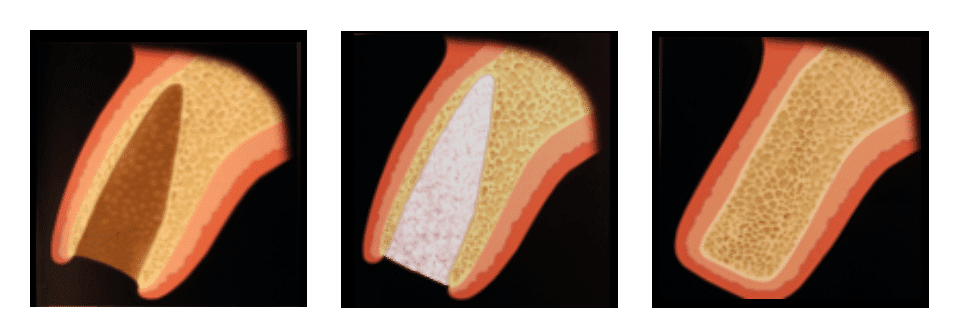
In many cases, particularly if you are interested in a dental implant in the future, Dr. Pope will recommend a bone graft at the time of extraction. The jaw bone will typically go through a very rapid resorption process following extraction of a tooth. In order to prevent this loss of bone volume, a bone graft is placed into the socket the day of the extraction. Typically, the bone graft is covered with a membrane (similar to a Band-Aid) to cover and protect the bone graft. Depending on the type of bone loss, the membrane may dissolve on its own, or Dr. Pope may remove the membrane 3-6 weeks following the extraction. Bone grafts require 4-6 months of healing before the implant can be placed.
Ridge Augmentation
When a tooth (or teeth) have been missing for an extended period of time, a moderate amount of bone loss and jaw resorption can occur. Bone grafts can be performed to regrow lost bone. These grafts will typically take 6 months to heal before dental implants can be placed.
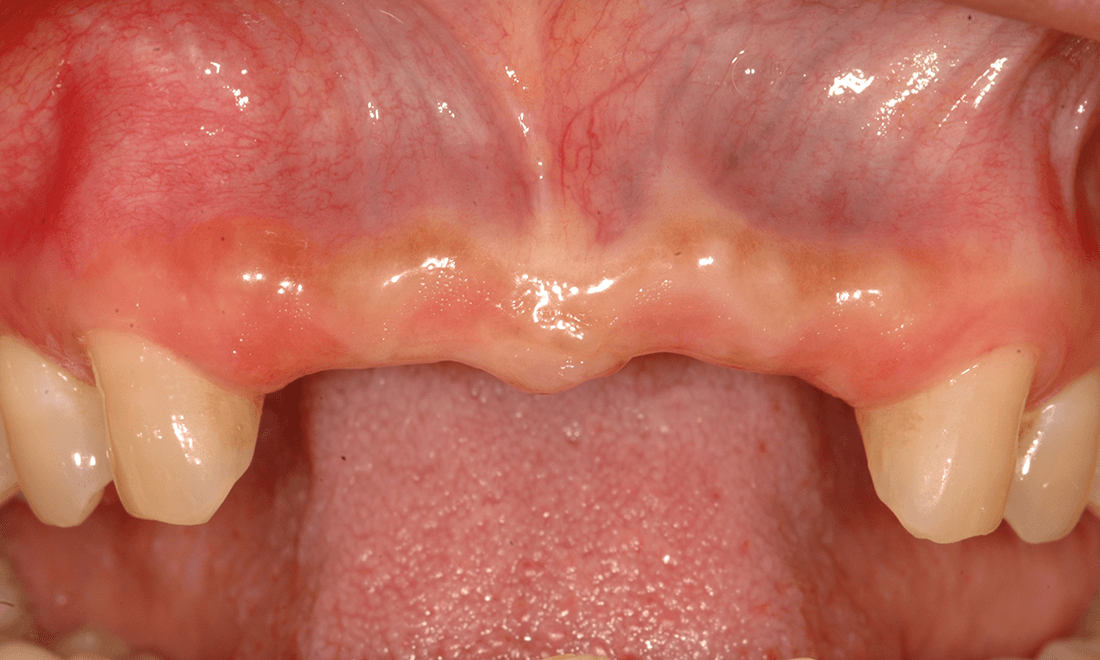
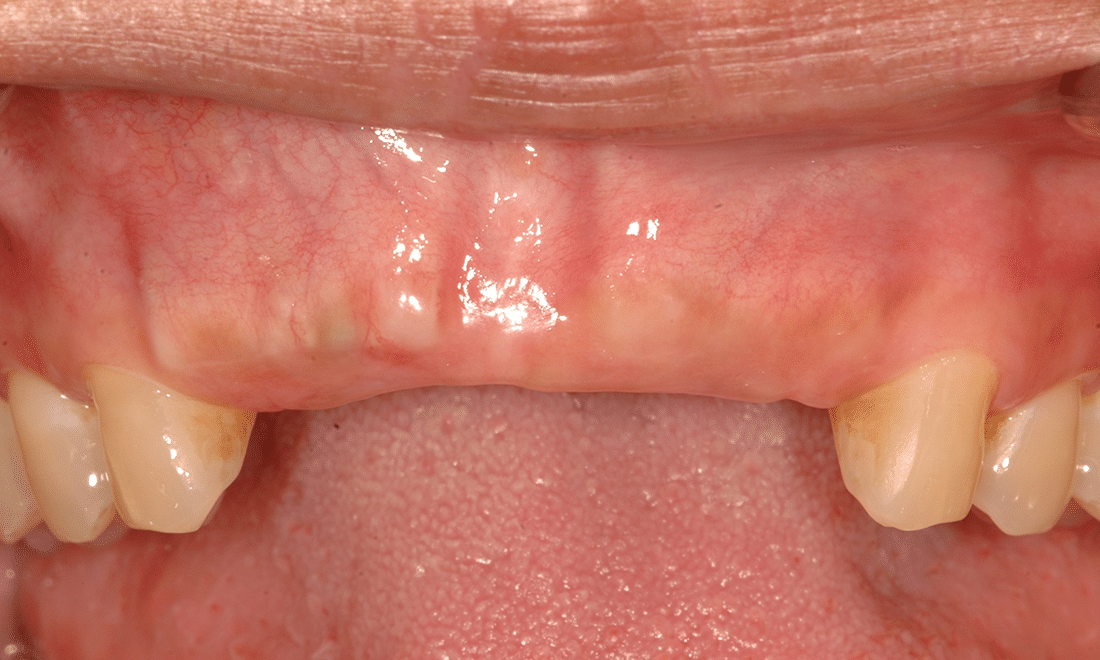
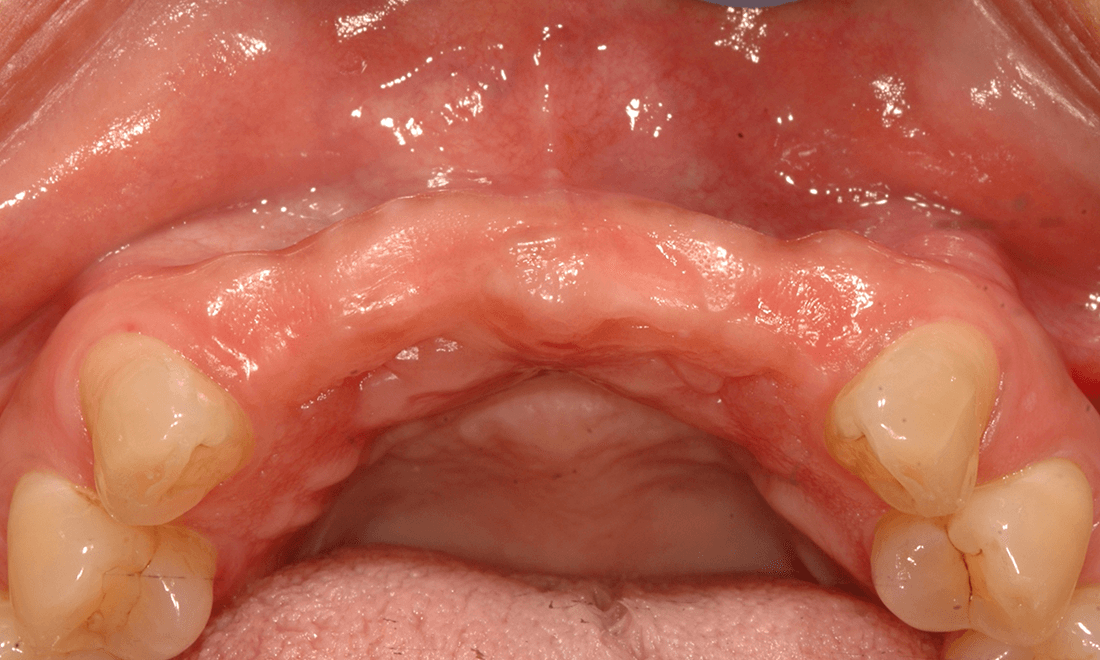
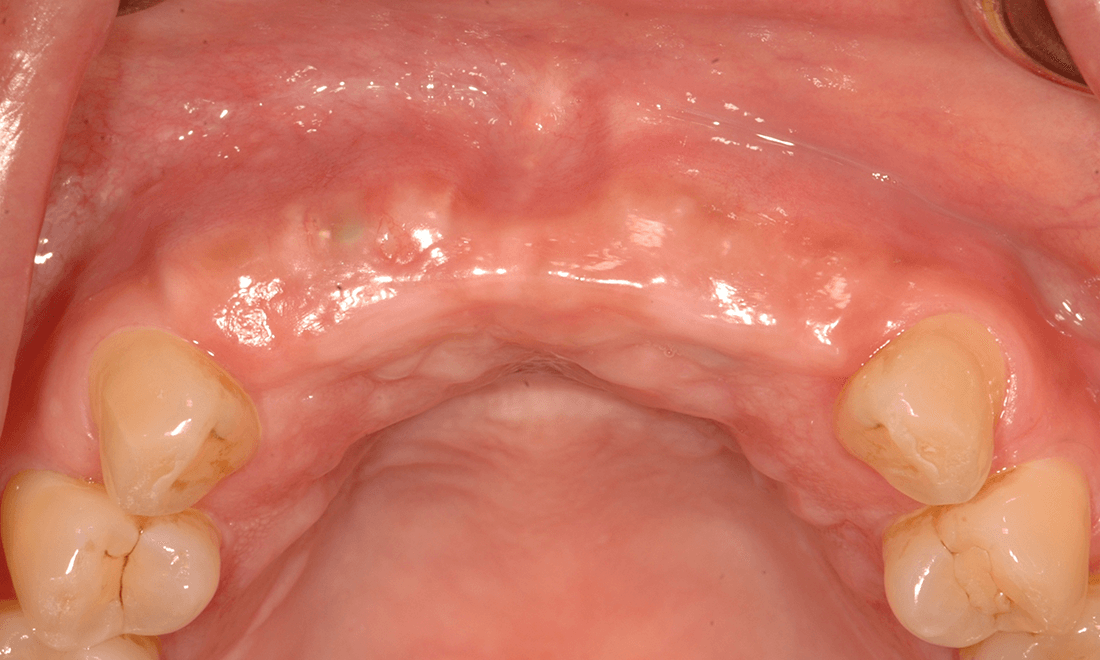
Use slider to view Before/After images
Sinus Lift
Frequently, missing teeth in the back upper jaw will require a sinus lift. This is a relatively routine procedure and is regularly performed with local anesthetic only. In many cases, even if a bone graft has been performed, the sinus will drop. In most cases, the sinus can be “pushed back up” at the time of implant placement. In more advanced cases, a bone graft will need to be placed in the sinus and allowed to heal for 6 months prior to implant placement.
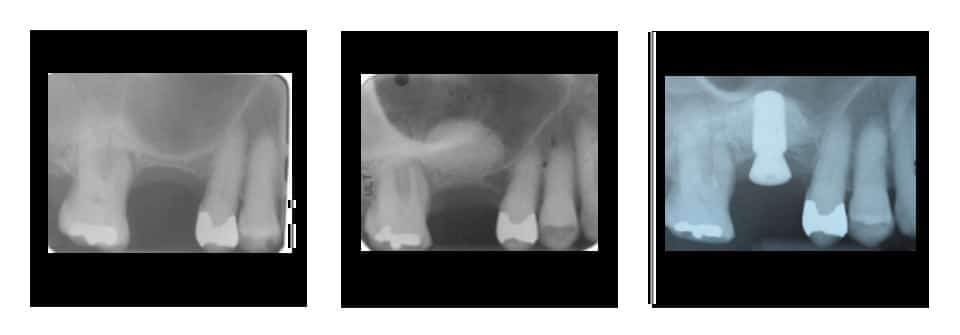
Initial, Sinus Lift & 6-Month Post Op